Looking for small, tangible machines that can become profitable local businesses in 2026? Below are nine proven machines people are using to build real income — each description includes what the machine does, typical costs, and simple steps to get started.
1. Cotton Candy Vending Machine
What it does: An automated robotic vending unit spins and dispenses shaped/flavored cotton candy while customers watch. Typical cost and returns: machines usually pay off in months (sometimes weeks); owners place them in amusement parks or high‑traffic venues.
2. Laser Cleaning Machine
What it does: Portable lasers remove rust, paint, grease, and carbon without chemicals. How to run it: offer a mobile service to restoration shops, municipalities, and fabricators. Costs: entry machines from around $3,800; professional units to $35,000. Billing: common rates $100–$200/hour. Steps to start: purchase a unit, market to local auto/antique/municipal customers, and book on‑site jobs.
3. Freeze Dryer
What it does: Removes moisture to create crunchy, novel versions of candy and foods. Startup numbers: mid‑range machines around $2,000; bulk candy can be marked up roughly 8–10x after drying. How to scale: sell at farmers markets, theme parks, or to care facilities; reinvest profits to add machines.
4. Flower Vending Machine
What it does: Refrigerated touchscreen vending that dispenses fresh bouquets. Where to place: hospitals, airports, theaters. Costs: $8,000–$15,000 for quality units. Typical returns: a well‑placed machine can generate several thousand dollars per month. Steps: secure a high‑footfall location, set up temperature control, and schedule frequent restocks.
5. Hydro Dipping Station
What it does: Applies printed film wraps to objects (controllers, firearms, decor). Business model: charge per piece or offer custom jobs. Startup: tank, ventilation, films; per‑job pricing examples: $40 for controllers, $75 for firearms, higher for complex pieces. Start by learning the technique, certify if required, then sell services online and at events.
6. Rug Tufting Workshops
What it does: Tufting guns push yarn through a backing to make rugs and wall art. Investment: full kit $400–$800; basic gun about $250. Revenue model: run 2‑hour workshops charging $80–$150 per attendee. Steps: buy equipment, secure a small studio, promote classes on social media, and scale with more machines and sessions.
7. Gum Removal Service
What it does: Steam/pressure machines remove chewing gum from sidewalks and surfaces. Equipment cost: a few thousand up to $7,500. Pricing: about $1/sq ft or $100–$200/hour; repeat contracts with venues are common. Start by offering services to stadiums, campuses, and downtown management companies.
8. Rolled Ice Cream Machine
What it does: Liquid ice cream is mixed on an ultra‑cold plate and scraped into rolls — a highly visual experience. Cost: machines $400–$1,200; ingredients ~$0.50–$1 per cup. Pricing: sell cups for $7–$12. Steps: operate at farmers markets/events, emphasize the live, shareable experience to drive word‑of‑mouth and social media.
9. Nut Butter Stone Grinder
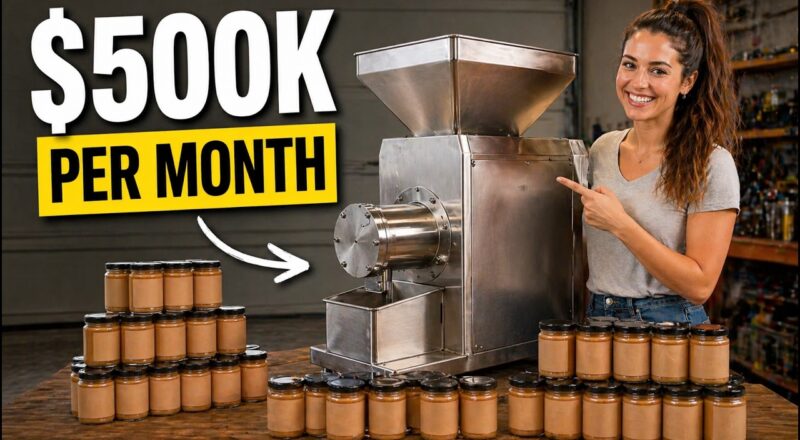
What it does: Granite grinders turn raw nuts into fresh nut butter on site. Investment: $450–$2,800 for quality grinders. Margins: raw nuts $1.50–$2/lb, sell at $8–$10/lb. Launch plan: offer unique flavors, demo grinding at markets, scale by adding grinders and packaging for retail or online sales.
Next steps: pick one machine that fits your budget and local foot traffic, validate demand with pop‑ups or a farmer’s market stall, then reinvest profits to scale. Each machine lends itself to repeat business and social sharing — the product is often the marketing. Do your research, calculate local costs and permits, and start small.