
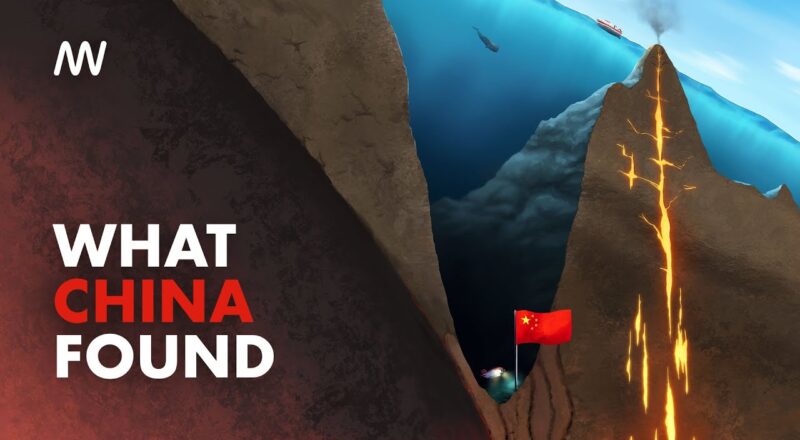
At nearly 11,000 meters below the surface, the Mariana Trench is the planet’s most extreme environment—crushing pressure, perpetual darkness, and strange, highly adapted life. Recent advances in deep-sea robotics and sustained investment are turning these once-remote depths into a strategic frontier with scientific, economic, and geopolitical consequences.
What the Deep Ocean Contains
The water column beneath the surface passes through distinct zones—from the sunlit epipelagic down through the twilight and midnight zones to the abyss and hadal trenches. Despite near-freezing temperatures and pressures measured in hundreds of atmospheres, life persists: bioluminescent predators, giant single-celled xenophyophores, pale shrimp, and entire ecosystems built around cold seeps and whale falls. The seafloor also stores large amounts of carbon in thick organic-rich muds, making deep oceans important carbon sinks.
Valuable and Vulnerable Resources
Below the mud lie resources of commercial interest. Methane hydrates — “fire ice” — trap huge amounts of methane in icy lattices. Polymetallic nodules scattered across abyssal plains contain cobalt, nickel, copper, and manganese, metals critical to batteries and green technologies. Extracting these resources requires new technologies and creates sediment plumes and waste discharges that could irreversibly damage fragile habitats.
Robotics, Bases, and a New Operating Model
Deep-sea exploration has shifted from rare, expensive manned dives to repeatable operations using small autonomous robots. These compact vehicles can glide, crawl, and work in coordinated fleets, greatly reducing cost and increasing coverage. Plans for permanent underwater research habitats would allow long-term presence, testing, and operations—turning episodic visits into continuous activity.
Geopolitical Stakes and Infrastructure Risks
Control of deep-sea capabilities affects more than mineral access. Subsea cables, which carry the bulk of global internet traffic, and other buried infrastructure run along the ocean floor and are vulnerable to damage. Robotics designed for repair could, in theory, be repurposed to cut or tamper with these systems. Nations investing heavily in ocean science and engineering are therefore building both economic leverage and potential strategic influence.
Choices Ahead: Regulation, Research, and Cooperation
With regulations still limited and technology advancing quickly, the next decade will determine whether deep-sea activity is governed by precaution and collaboration or by unilateral exploitation. The ecological recovery of abyssal habitats is slow; impacts may be long-lasting or irreversible. International cooperation—akin to what emerged in space—will be essential to balance scientific discovery, resource needs, and planetary protection.
The deep ocean is no longer just a subject for occasional exploration. It is a contested, resource-rich domain where technological capability and sustained investment will shape scientific knowledge, economic opportunity, and geopolitical power. How states choose to explore and regulate these depths will have consequences that extend far beyond the seafloor.