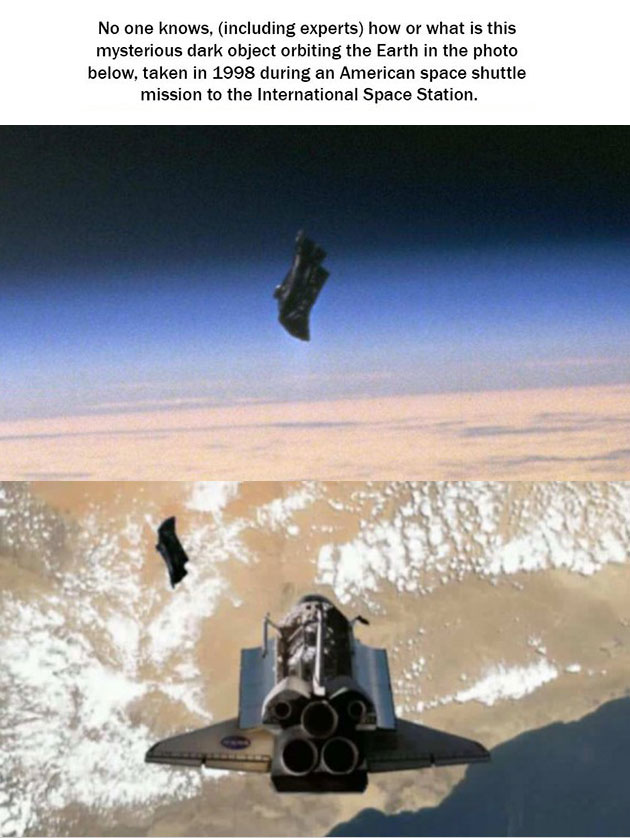
New batches of declassified military footage and recordings have reignited debate about unidentified aerial phenomena. While some clips show objects moving in ways current public technology can’t explain, experts say today’s releases represent only an initial portion of material that remains classified across agencies and contractors.
Notable clips and what they show
The recent release includes multiple infrared and sensor videos captured by military systems. Examples receiving attention include:
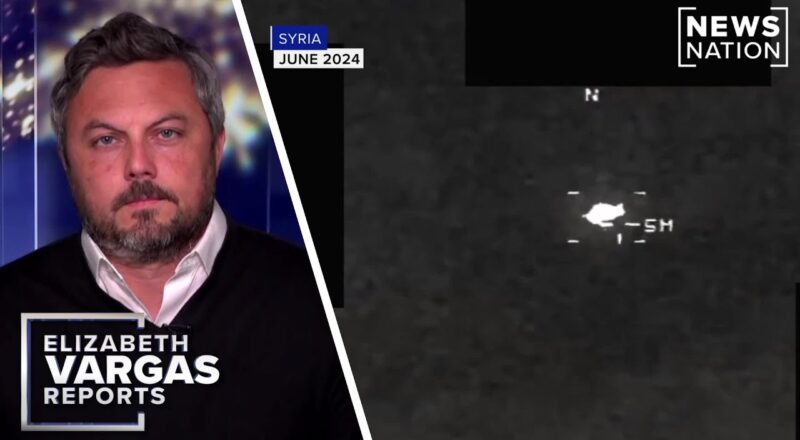
- A 2021 infrared clip from a military sensor near Syria showing a bright sphere that appears to accelerate suddenly and “zoom off.”
- A 2019 recording over the Persian Gulf showing three lights moving in formation, changing spacing as they travel together.
- An October 2020 video of a small dark object slowly traversing a cityscape and then crossing nearby mountains; some recordings span 10–13 minutes as objects are tracked until they leave view.
Expert reactions and remaining questions
Analysts and insiders note that several released clips depict performance—instantaneous acceleration, extreme speeds, unconventional maneuvers—not consistent with publicly known human aircraft. The Pentagon, however, has not concluded these are evidence of nonhuman life, and investigators continue to treat the phenomena as unexplained.
How much has actually been disclosed?
Filmmakers and some sources familiar with classified programs describe the recent dump as a “first tranche.” They emphasize a broader, ongoing effort to declassify material held by federal agencies, military branches and defense contractors. Those inside the government who prioritize secrecy can slow or limit what is released, creating a gradual, contested disclosure process.
What to expect next
Officials and documentary producers say further releases are likely in the coming weeks or months as agencies review more evidence. The process aims to balance national-security concerns with public transparency; how much additional material becomes public depends on interagency decisions and classification reviews.
For now, the newly released files add intriguing, sometimes puzzling data to a long-running conversation. They deepen the pool of documented unexplained incidents while leaving open the larger questions about origin, technology and intent—questions that advocates say will take time and more declassification to address.